|
What are Varicose Veins?
The term varicose comes from
the Latin root varix, meaning "twisted. Varicose veins are typically
swollen, twisted, blue in color and close to the surface of the skin.
First of all for understanding the meaning of varicose vein diseases
we must understand the physiology of blood circulation in venous tree
.The circulatory system is comprised of the heart, arteries, veins,
and lymph vessels. Oxygen and Nutrients necessary for the normal
function of the body are transported via the arteries. Veins return
oxygen-depleted blood back to the lungs where carbon dioxide is
exchanged for oxygen. The capacity of the venous system is greater
than that of the arterial system. And about 64% of the total
circulating blood volume is within the venous system. Vein disease
occurs when veins have trouble transporting blood.
The veins are subdivided into three subtypes: deep veins, superficial
veins, and connecting veins
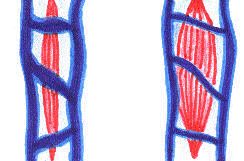
The deep veins lies within skeletal muscles and other tissues and
provides drainage from most of the muscle mass to the limbs.
The superficial veins of lower extremities includes the great
saphenous vein and the small saphenous vein. The great saphenous vein
is the longest vein in the body. It travels along the inside of the
foot, leg and thigh . The small saphenous vein is shorter and travels
along the lateral side of the foot,
the connecting or perforating vein system connects the superficial and
deep systems.
Muscles play an important role in normal vein function . The massaging
action of the muscle empties the deep veins and promotes blood flow
from the superficial to the deep vein system The muscles of the leg
serve to lower vein pressure in dependent parts of the leg, relieve
vein congestion in the same area and facilitate venous return..
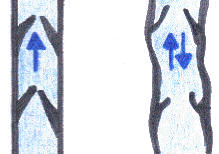
Veins contain valves that keep the blood flowing in the right
direction. The valves help fight the effects of gravity. The valves
open, letting blood flow towards the heart, and then close to prevent
the blood from flowing backwards towards the feet.If vein walls become
weak or damaged, the valves may not close properly. The combination of
weakened valves and the pull of gravity when you're standing can cause
blood in your veins to flow back down into the legs -causing many of
the early symptoms of vein disease: Bulging veins , Swollen ankles and
Heaviness or pain in the legs.
Cafer Abbasoğlu
jan 2003
|